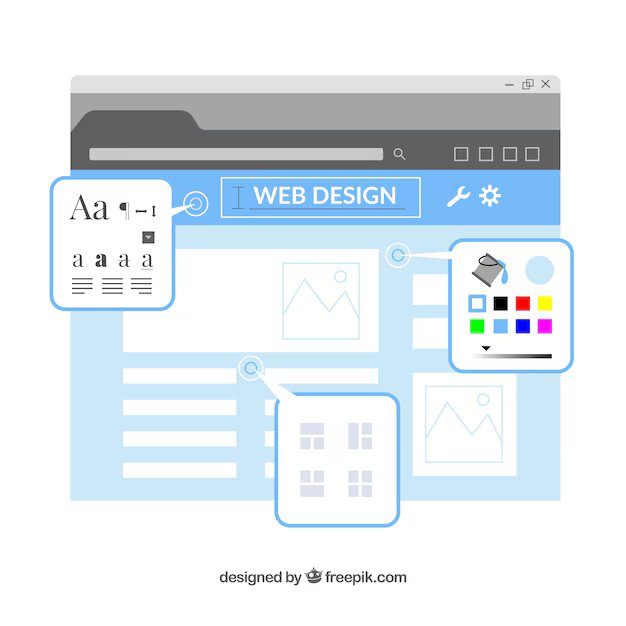
How to Use White Space Effectively in Web Design

How to Use White Space Effectively in Web Design
What is White Space in Web Design?
White space in design refers to the empty or negative space between elements on a webpage that helps improve readability, focus, and overall user experience. It is not just "blank space" but a crucial design element that allows content to breathe and appear more structured. White space is used around text, images, buttons, and layout sections to create balance and harmony, ensuring that users can navigate a website without feeling overwhelmed. Effective use of white space in design makes a website look clean, professional, and aesthetically appealing, ultimately enhancing usability and engagement.
Types of White Space in Web Design
There are two primary types of white space in design: macro white space and micro white space. Macro white space refers to the large empty areas on a webpage, such as the margins, spacing between sections, and areas surrounding key elements. Micro white space, on the other hand, is the small spacing between lines of text, paragraphs, buttons, and menu items. Both types of white space work together to create a visually structured and easy-to-navigate layout. Without proper white space in design, a website can feel cluttered and confusing, negatively affecting user experience and readability.
Why White Space is Essential for UX Design
User experience (UX) plays a crucial role in website design, and white space in design significantly improves it by reducing cognitive overload and making content easier to digest. When elements are too close together or crammed into a small space, users struggle to focus on key messages. White space provides breathing room, helping visitors absorb information naturally without distractions. A well-balanced website that utilizes white space effectively ensures smooth navigation, encourages longer site visits, and creates a positive first impression that keeps users engaged.
The Role of White Space in Visual Hierarchy
White space in design is essential for establishing a clear visual hierarchy, which helps guide users through a webpage in a structured manner. By adjusting the spacing around different elements, designers can highlight key sections such as headlines, call-to-action buttons, and featured content. Proper use of white space ensures that the most important information stands out while maintaining a seamless flow throughout the page. Without sufficient white space, all elements may appear equally important, making it difficult for users to determine where to focus their attention.
White Space vs. Cluttered Design: A Comparison
A cluttered design overwhelms users with excessive text, images, and elements packed closely together, making it challenging to find relevant information. In contrast, white space in design simplifies the visual experience, enhancing clarity and readability. Websites that embrace white space tend to appear more modern, elegant, and professional, while cluttered designs often look outdated and difficult to navigate. Studies have shown that users are more likely to stay on a website that is visually appealing and easy to read rather than one that feels chaotic and disorganized.
How White Space Affects Website Navigation
Website navigation is one of the most critical aspects of user experience, and white space in design plays a significant role in making navigation intuitive. By spacing out menu items, links, and buttons, designers ensure that users can easily identify where to click next. A well-structured navigation menu with sufficient white space enhances usability, reduces frustration, and improves overall accessibility. Websites that neglect white space in their navigation often lead to high bounce rates because users struggle to find what they are looking for.
Using White Space to Improve Readability
Text-heavy websites can be difficult to read if the content is tightly packed with little to no spacing. White space in design enhances readability by providing sufficient line spacing, paragraph breaks, and margins that make the text easier to scan. Proper use of white space ensures that users can quickly absorb key messages without feeling overwhelmed. This is especially important for blogs, news websites, and educational platforms where content readability directly impacts engagement and user retention.
Balancing White Space for Aesthetic Appeal
A well-balanced website is visually appealing and engaging, and white space in design plays a crucial role in achieving this balance. Too much white space can make a webpage look empty, while too little can make it appear cluttered. Striking the right balance ensures that the website maintains a clean and structured look without sacrificing essential content. The key is to distribute white space strategically, ensuring that all elements are well-spaced while maintaining a visually harmonious layout.
How White Space Enhances Call-to-Action (CTA) Elements
Call-to-action (CTA) buttons are essential for conversions, and white space in design helps them stand out. By surrounding CTAs with enough spacing, designers draw user attention to these critical elements, encouraging engagement. A cluttered page with too many distractions can cause users to overlook CTAs, reducing conversion rates. When CTAs are placed strategically with ample white space, they become more noticeable and clickable, ultimately improving website performance and business goals.
The Psychological Impact of White Space
White space in design has a psychological impact on how users perceive a website. A well-spaced layout gives a sense of elegance, professionalism, and trustworthiness, making users feel more comfortable interacting with the site. On the other hand, a cramped design can cause stress and frustration, leading to a poor user experience. By leveraging white space effectively, designers can create a calming and inviting online environment that encourages engagement and brand loyalty.
White Space in Mobile Responsive Design
With the rise of mobile browsing, white space in design is even more crucial for responsive websites. Mobile screens have limited space, making it essential to use white space wisely to enhance readability and usability. Proper spacing between touch elements, text, and images ensures that users can navigate smoothly without accidental clicks. Mobile-friendly websites that prioritize white space tend to have better user engagement and lower bounce rates compared to those with cramped layouts.
How to Use White Space in Landing Pages
Landing pages are designed to convert visitors into customers, and white space in design helps achieve this by maintaining focus. By eliminating unnecessary distractions and emphasizing key elements such as headlines, CTAs, and product information, white space ensures that users stay engaged. A cluttered landing page with excessive content and visuals can overwhelm visitors, reducing conversion rates. The strategic use of white space directs attention to what matters most, improving lead generation and sales.
Common White Space Mistakes to Avoid
- Overcrowding elements, making the layout feel cluttered and overwhelming.
- Using too much white space, creating a sense of emptiness and disconnected content.
- Inconsistent spacing between text, images, and buttons, leading to a disorganized look.
- Ignoring white space in mobile design, making navigation difficult on smaller screens.
- Placing text too close to images or borders, reducing readability and visual appeal.
- Failing to use white space to guide users' attention toward important elements.
- Over-relying on margins instead of strategically spacing elements for balance.
- Not considering the relationship between typography and white space for better readability.
- Misusing padding and margins, resulting in uneven gaps between sections.
- Neglecting white space in call-to-action buttons, making them less effective.
White Space in E-commerce Website Design
White space in design plays a vital role in e-commerce websites by improving product visibility and enhancing the overall shopping experience. When product images, descriptions, and pricing details are well-spaced, they become easier for users to scan and understand. Proper white space helps guide users’ eyes toward key elements such as "Add to Cart" buttons and promotional banners, increasing conversion rates. Additionally, a clutter-free layout builds trust with potential customers by making the website look more professional and user-friendly. Effective use of white space ensures that e-commerce platforms feel intuitive, reducing distractions and making the purchasing process seamless.
How White Space Affects Website Loading Speed
White space in design can impact website loading speed by optimizing how content is presented and reducing unnecessary clutter. A well-structured layout with adequate spacing ensures that elements load smoothly without overwhelming the server with excessive graphics, text, or animations. By eliminating unnecessary design elements and optimizing margins, websites can enhance performance and provide a better user experience. Faster-loading websites lead to lower bounce rates and improved SEO rankings, as search engines prioritize user-friendly pages. Using white space efficiently ensures that a site remains visually appealing without compromising speed and functionality.
Typography and White Space: A Perfect Match
Typography and white space in design work together to improve readability, aesthetics, and user engagement. The choice of fonts, line spacing, and margins significantly affects how users interact with content. Proper white space around text prevents overcrowding, making it easier to read and visually appealing. When combined with a well-selected typeface, white space ensures that headings, paragraphs, and call-to-action elements stand out. A well-balanced text layout enhances the visual hierarchy, guiding users smoothly through the page. Designers should carefully adjust white space to complement typography, creating a polished and professional web design.
Best Practices for Using White Space in Web Design
To use white space effectively in design, designers should follow key best practices that enhance readability and user experience. First, ensure a balanced ratio of content to white space, making sure that key elements are emphasized without overcrowding the layout. Second, use consistent spacing between text, images, and buttons to maintain visual harmony. Third, prioritize user experience by adjusting white space to guide attention toward important elements like call-to-action buttons and navigation menus. Finally, test different layouts and spacing variations to see what works best for usability and engagement. Following these guidelines will help designers create an aesthetically pleasing and functional website.
Case Studies: Websites That Use White Space Well
Many successful brands effectively use white space in design to create stunning, user-friendly websites. Apple, for example, is known for its minimalist approach, using ample white space to highlight its products while maintaining a clean and modern aesthetic. Google also utilizes white space strategically by keeping its homepage uncluttered, making the search function the focal point. Websites like Airbnb and Shopify use white space to enhance navigation, ensuring that key elements such as product listings and booking options are easy to find. These case studies show how white space improves user experience, branding, and conversion rates when implemented correctly.
Final Thoughts: Mastering White Space for Better Web Design
Mastering white space in design is essential for creating visually appealing, user-friendly, and high-performing websites. By strategically balancing white space with content, designers can improve readability, focus, and overall aesthetics. White space enhances navigation, boosts engagement, and ensures that users can easily find and interact with essential elements. Whether designing an e-commerce site, a corporate website, or a personal blog, the proper use of white space significantly impacts usability and conversion rates. Implementing white space effectively transforms a website from cluttered and confusing to clean and professional, providing a seamless experience for visitors.